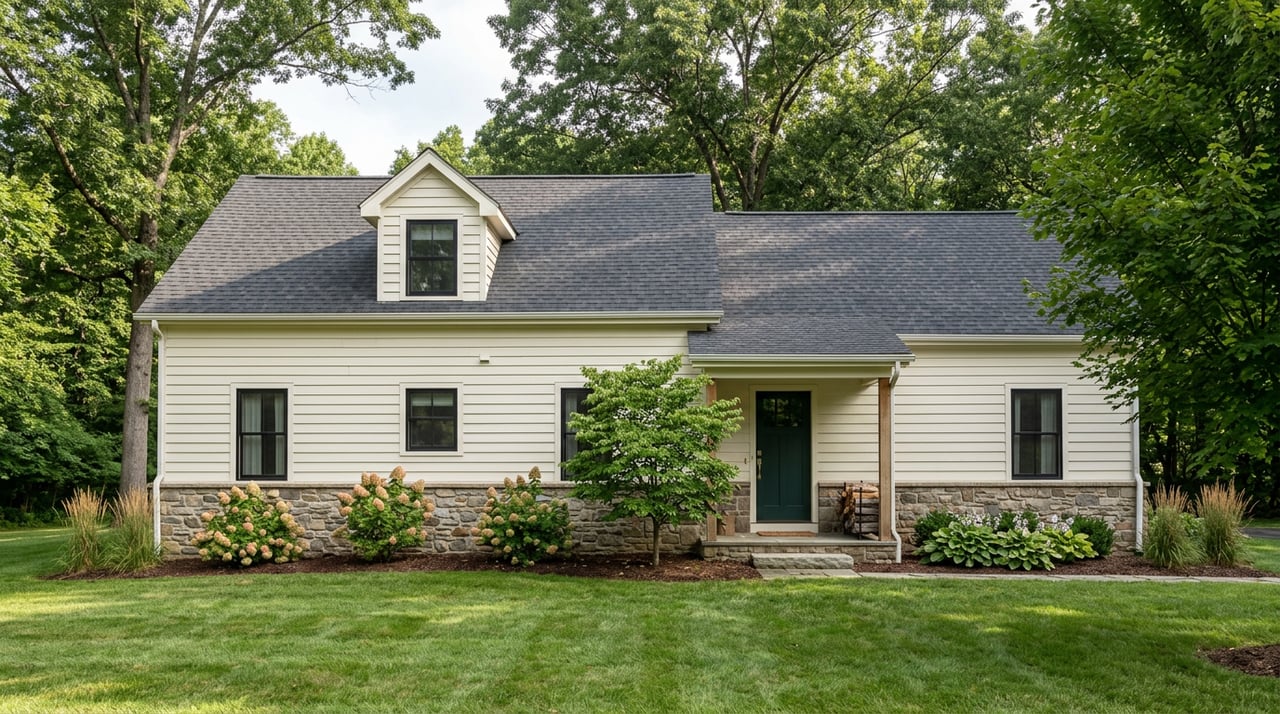
A few months before listing a wooded lot on the edge of Hinckley Township, one seller quietly had a new septic system installed. Nobody from Medina County asked for it. No inspector flagged it. No ordinance forced the timing. The seller simply knew what was coming and got ahead of it, the same way another Hinckley owner made sure to mention a septic system serviced twice a year, and another pointed to a Norweco Singulair aeration unit installed just a few years back. None of these moves were required. All of them were smart.
That gap between what the county demands and what sellers actually do is the real story for anyone buying or selling a well-and-septic property in Hinckley, and it runs opposite to what most people assume. If you have shopped for a home in Summit County or Cuyahoga County, you likely picked up the idea that a septic inspection before closing is just how Ohio works. In Medina County, where Hinckley sits, it isn't.
The Rule Hinckley Doesn't Have
Medina County's own health department states it plainly: the county "does not require that your HSTS be inspected before your home is sold." HSTS is the technical name for a household sewage treatment system, the septic setup that serves most of Hinckley's acreage homes. The department goes on to note that an inspection is often required anyway, just not by them. It comes from the buyer's lender.
That single sentence explains a lot of confusion at the closing table. A buyer moving from Brunswick or Medina city, both served by public sewer, may never think about septic at all. A buyer relocating from Summit County may show up assuming an inspection is mandatory everywhere, because in Summit County it is. Summit County Public Health runs what amounts to the strictest program in the region: any home with a septic system or private water system must be inspected before the property transfers, full stop. Cuyahoga County takes a similar stance, and Mahoning County Public Health puts it just as directly, requiring "all septics and wells to be tested prior to the sale of a home." Medina County simply does not.
Here is how the four counties actually compare:
| County | Point-of-sale septic inspection required? |
|---|---|
| Medina County (Hinckley) | No, county does not mandate it |
| Summit County | Yes, required before property transfer |
| Cuyahoga County | Yes, required, with time allowed after closing to complete |
| Mahoning County | Yes, both well and septic must be tested |
A house that would trigger a mandatory inspection twenty minutes away in Richfield or Peninsula can change hands in Hinckley without the county ever looking at the tank. That is not a loophole. It is simply how Medina County has chosen to regulate, and it puts more responsibility on the people actually in the transaction.
Where the Real Requirement Hides
If the county is not the gatekeeper, the mortgage is. Conventional loans tend to be the most forgiving, generally requiring a septic or well inspection only if an appraiser flags a visible problem or a known hazard. FHA and USDA loans work differently. Both follow HUD's property standards, which spell out specific distances: a well must sit at least 50 feet from the septic tank and generally 100 feet from the drain field, with some local health authorities allowing that second distance to shrink to 75 feet. A well also needs to deliver a continuous flow, typically in the 3 to 5 gallon-per-minute range, and the water quality test that proves it is only good for a limited window, 180 days for FHA and 150 days for USDA.
That timing detail matters more than it looks. A buyer who tests early in a slow-moving transaction can watch that window close before the loan funds, forcing a second test at a second cost. It is one of the quieter ways a well-and-septic sale can stall that has nothing to do with the house itself and everything to do with the calendar.
None of this shows up on the county's website, because none of it is the county's rule. It lives in the loan file, which means the same Hinckley property can sail through with one buyer's financing and hit a wall with another's, depending entirely on which loan program is attached to the offer.
What It Actually Costs, and Why There Is No Set Timeline
When a lender does require an inspection, current 2026 pricing for a full point-of-sale septic evaluation in Ohio generally runs $300 to $600, depending on system complexity and how much documentation the lender wants. Because Medina County does not run its own mandatory program, there is no countywide appointment calendar or fixed turnaround the way there is in Summit County, where the on-site visit typically takes one to two hours and the property owner has to expose the tank lids in advance. In Hinckley, timing comes down to whichever licensed inspector the buyer or lender hires, and several Northeast Ohio providers advertise same-day service calls with a written report back within 24 hours.
That flexibility cuts both ways. It can move faster than a county-run program with a backlog. It can also mean nobody looks until late in the process, which is exactly why the sellers mentioned earlier chose not to wait.
Why Hinckley Sellers Move First Anyway
Well and septic is not an edge case here. It is close to the default. Vacant land listings in Hinckley Township routinely note that septic and well still need to be placed, with a soil test already confirming the lot can support one. Established neighborhoods carry the same infrastructure. Secluded Highlands, the roughly 45-home community that straddles Hinckley and Richfield Townships along Dunheath Drive, Highland Mist Circle, and White Horse Trail, was built out beginning in 1990 entirely on well water and septic, with homesites running from 2 to nearly 9 acres and backing directly onto Cleveland Metroparks land, the Hinckley Reservation on one side and Richfield Heritage Preserve across Oviatt Road.
Against that backdrop, the sellers who get ahead of septic condition are reading the market correctly. A buyer using FHA or USDA financing is going to ask distance and flow questions no matter what the county requires. A newer aeration system, a documented twice-yearly service history, or a septic install completed just before listing removes a variable that could otherwise slow financing down. It is a small, voluntary step that does the job a county mandate would otherwise do, minus the wait.
If you are on either side of a Hinckley transaction with well and septic in the picture, a few things are worth confirming early rather than at the appraisal stage:
- Ask what loan type the buyer is using before assuming an inspection is or is not needed
- If it is FHA or USDA, get the water quality test scheduled early so the 150 to 180 day window does not lapse before closing
- Confirm the well-to-tank and well-to-drain-field distances on older properties, since some pre-date current setback rules
- Ask for septic service records even when no inspection is required. A documented history carries real weight with a lender's underwriter
A Few Questions Worth Settling Upfront
Does Hinckley require a septic inspection before a home can sell? No. Medina County's health department does not mandate one. Whether an inspection happens at all depends on the buyer's lender and loan type, not on any county ordinance.
What happens if the well and septic tank sit closer together than current rules allow? It depends on the loan. Conventional financing may not flag it. FHA and USDA appraisers generally expect at least 50 feet between well and tank and around 100 feet to the drain field, though some local waivers allow less. Older Hinckley properties built before these standards existed sometimes need a licensed inspector or surveyor to document the actual distances so the lender can make a determination.
If an inspection is required, how far in advance should it be scheduled? As early as the loan program allows. Because Medina County does not run its own point-of-sale program, there is no fixed county turnaround time. The real constraint is the water quality test's shelf life, 180 days for FHA and 150 for USDA, so testing too early can mean testing twice.
Well and septic questions rarely show up in the first showing, but they can decide whether a closing happens on schedule. If you are weighing a Hinckley property, or preparing one of your own for the market, Heather Srodek can help you sort out what your specific loan program and property actually require before it becomes a deadline problem. Let's Connect.
